
Bichon Frise Grooming Guide: Caring for the Fluffy White Coat
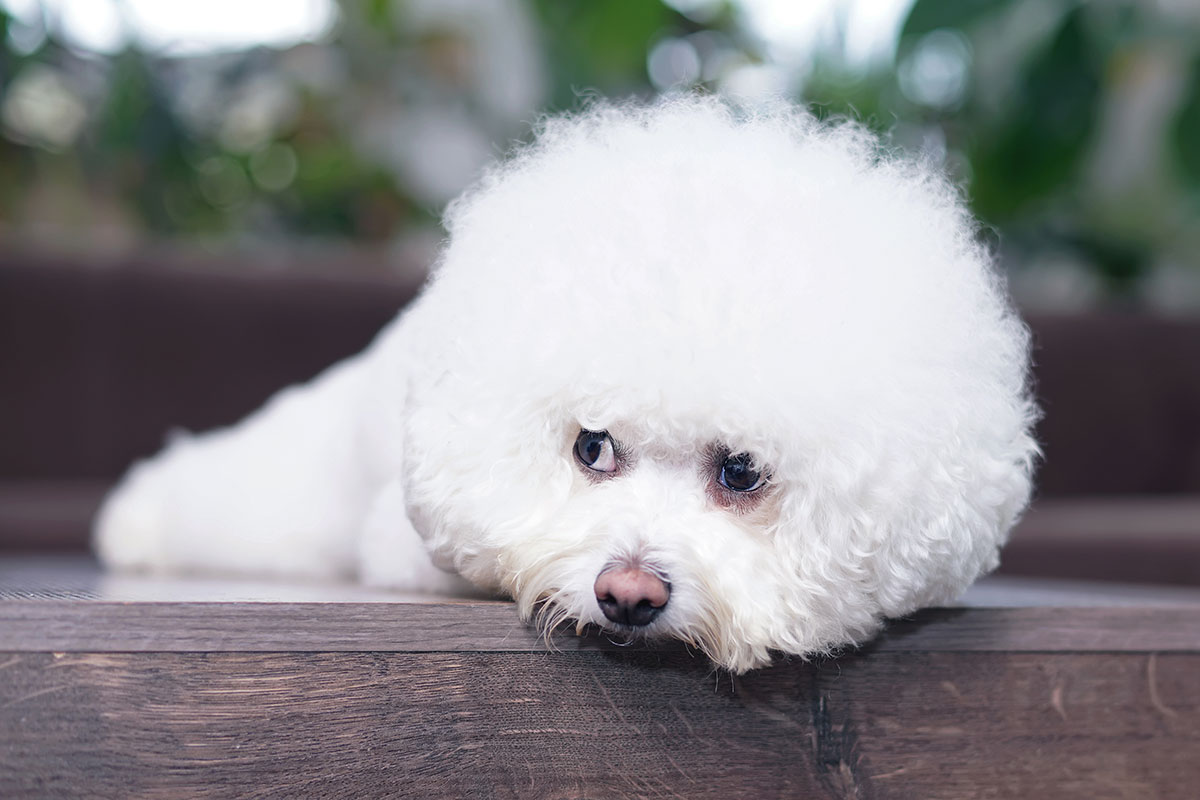
With their cloud-like white coat and cheerful personality, the Bichon Frise is one of the most recognizable small breeds around. But that signature “powder puff” look doesn’t happen on its own—the Bichon’s coat is one of the most grooming-intensive of any small breed. If you own a Bichon Frise, or are thinking about welcoming one home, here’s everything you need to know about keeping that beautiful coat healthy, bright, and mat-free.
Understanding the Bichon Frise Coat
The Bichon Frise has a double coat: a soft, dense undercoat beneath a coarser, curly outer coat. Together they create that plush, rounded appearance the breed is famous for. Bichons are also low-shedding, which many owners love—but there’s a trade-off. Because Bichons shed very little, loose hair doesn’t fall away. Instead, it stays trapped in the curls, which means the coat tangles and mats quickly without consistent care. That soft, fluffy texture that looks so effortless actually requires steady, hands-on maintenance.
Why Bichons Are Prone to Matting
Matting is the single biggest challenge with Bichon grooming. A mat is a tight knot of tangled hair, and once it forms close to the skin it can pull, trap moisture, and cause discomfort or irritation. Bichon coats mat quickly because:
- Low Shedding: Loose hair stays trapped in the curls instead of falling out.
- The Double Coat: Tangles form at the undercoat level, out of sight.
- Friction Points: Behind the ears, under the legs, and around the collar knot first.
- Moisture: Baths, rain, or drinking tighten existing tangles.
This is why daily brushing and regular professional grooming aren’t optional for this breed—they’re essential.
Managing Tear Stains on a White Coat
The Bichon’s bright white coat makes tear staining—the reddish-brown discoloration under the eyes—especially visible. While some staining is natural, you can keep it under control by gently wiping the area around the eyes each day, keeping the facial hair trimmed short and tidy, and booking regular grooming to keep the face clean and comfortable. Consistent facial care makes a big difference in keeping that clean, bright expression the breed is known for.
How Often Should a Bichon Frise Be Groomed?
Most Bichons need professional grooming every four to six weeks, along with daily brushing at home to prevent matting. Because their coat grows continuously and tangles easily, skipping appointments often leads to matting that can only be resolved with a shorter trim. For more tips on caring for small breeds like the Bichon, see our small breed grooming guide.
At-Home Coat Care Between Appointments
Keeping your Bichon’s coat healthy between grooms comes down to a few key habits:
- Use the Right Tools: A slicker brush plus a metal comb is ideal. If the comb glides from skin to tip without catching, the coat is tangle-free.
- Brush Down to the Skin: Part the coat in sections and brush each layer from the skin outward—surface brushing misses the tangles underneath.
- Check the Trouble Spots: Behind the ears, under the arms, and around the rear mat fastest.
- Dry Thoroughly After Water: A damp curly coat tangles as it dries, so towel and blow-dry rather than letting it air-dry.
- Stay Consistent: A few minutes daily is far easier on your dog than occasional heavy de-matting.
Popular Bichon Frise Grooming Styles
The Bichon’s versatile coat can be styled in several ways depending on your preference and lifestyle:
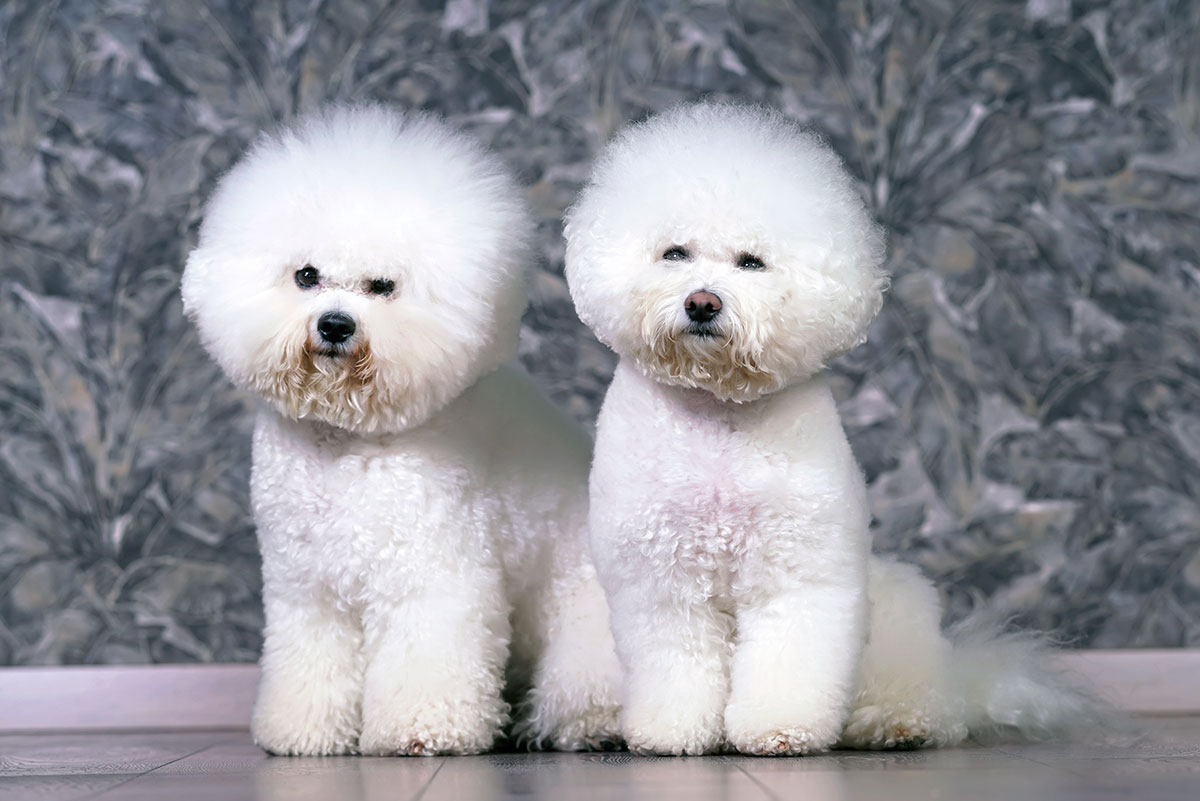
- Powder Puff (Show Cut): The classic rounded, full look the breed is known for—beautiful but higher-maintenance.
- Teddy Bear Cut: Soft, rounded, and even with a plush face. Popular for its adorable look and easier upkeep.
- Puppy Cut: Short and low-maintenance all over; great for active dogs and warmer months.
- Lamb Cut: Shorter body with slightly longer legs for a clean, balanced silhouette.
The teddy bear look in particular is a signature of our Asian Fusion grooming style, which suits the Bichon’s soft, curly coat beautifully. You can see examples in our photo gallery. If you also share your home with a Poodle or doodle, our Poodle & Goldendoodle grooming guide covers similar curly-coat care.
When to See a Professional
It’s time to book when the comb catches or won’t pass through the coat, when you notice visible tangles or clumps, when the coat looks dull or “felted,” or when it’s been more than six weeks since the last appointment. When tangles have progressed beyond at-home brushing, a professional groomer can safely restore the coat without causing your dog discomfort.
Professional Bichon Frise Grooming in Yorba Linda
At Pawradise Grooming in Yorba Linda, we specialize in the gentle, detailed care that curly, white-coated breeds like the Bichon Frise need—from powder puff and teddy bear styling to coat de-matting, tear stain care, and skin-and-coat maintenance. Our patient approach is especially well suited to small and sensitive dogs.
Serving Yorba Linda, Placentia, Anaheim, Fullerton, and the greater Orange County area, we’d love to help your Bichon look and feel their best. For more small-breed tips, see our small breed grooming guide.
Let your Bichon Frise look and feel their best. Book your grooming appointment with Pawradise Grooming today!
Frequently Asked Questions
How often should a Bichon Frise be groomed?
Bichons need professional grooming every four to six weeks, along with daily brushing at home to prevent their curly double coat from matting.
Why does my Bichon Frise mat so easily?
Bichons are low-shedding, so loose hair stays trapped in their curls instead of falling out. Without daily brushing, that trapped hair quickly tangles into mats near the skin.
How do I prevent tear stains on my Bichon?
Wipe the area around the eyes gently each day, keep the facial hair trimmed short, and book regular grooming to keep the face clean and bright.
What is the best haircut for a Bichon Frise?
Popular options include the classic powder puff, the teddy bear cut, and the low-maintenance puppy cut. The right choice depends on your dog’s lifestyle and how much upkeep you prefer.
Do Bichon Frises shed a lot?
No, Bichons are a low-shedding breed. However, that means loose hair stays in the coat and requires regular brushing and grooming to prevent matting.